Which Coconut Coir Drying System Delivers Better ROI?
Comparing retractable roofs and fixed poly greenhouses for efficiency, cost, and scale.

Coconut coir is a globally traded material used in horticultural substrates, erosion control, and industrial applications. Its value lies in its balance of water retention, aeration, and renewability, making it a widely adopted alternative to peat.

Why Coconut Coir Drying Infrastructure Matters
Drying efficiency influences required drying bed size and capital cost
Slower drying increases land use and handling requirements
Inconsistent conditions can affect final product quality and uniformity
Controlled drying environments can improve throughput and ROI
Drying is a critical control point in coir processing. Following extraction and, in many cases, washing or buffering, the material must be brought to a consistent moisture content before screening, compression, and export. Excess moisture can lead to microbial activity and degradation, while inconsistent drying affects bale density, transport efficiency, and downstream performance. Many operations still rely on open-air drying, exposing production to rainfall, humidity, and variable conditions that can slow throughput and increase the required drying footprint.
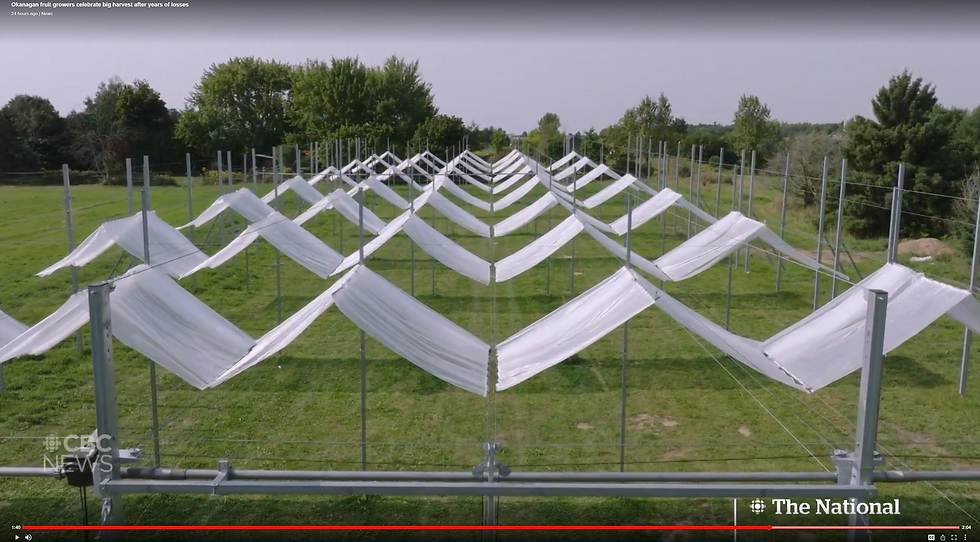
The structure used to cover a drying bed therefore plays a key role in both efficiency and capital deployment. Conventional poly-covered greenhouses provide protection from precipitation but can restrict airflow and reduce drying rates. Retractable roof systems offer a more dynamic approach which allows operators to optimize sun exposure, airflow, and protection in response to changing conditions.
In the video below, we compare these approaches to coconut coir drying in practical terms, outlining their impact on drying efficiency, required drying bed size, capital investment, and overall return on investment.